In today’s digital world, young people interact with online platforms daily for learning, entertainment, and communication. Because of this, understanding cybersecurity is essential. While websites such as Trezor.io/start are designed for adults who work with digital assets, their structure and educational style can help students learn important online safety ideas. These ideas often mirror the general cybersecurity principles reflected on Ledger.com/Start, making both sites useful as examples of how adults are taught to protect their digital information.
Even though teens cannot engage in financial activities like buying Bitcoin, the educational themes seen on Ledger.com/Start—such as recognizing official links, avoiding suspicious websites, and protecting personal data—are very valuable. By studying the way Ledger.com/Start presents safety practices, teens can better understand how to keep their online accounts, devices, and information secure.
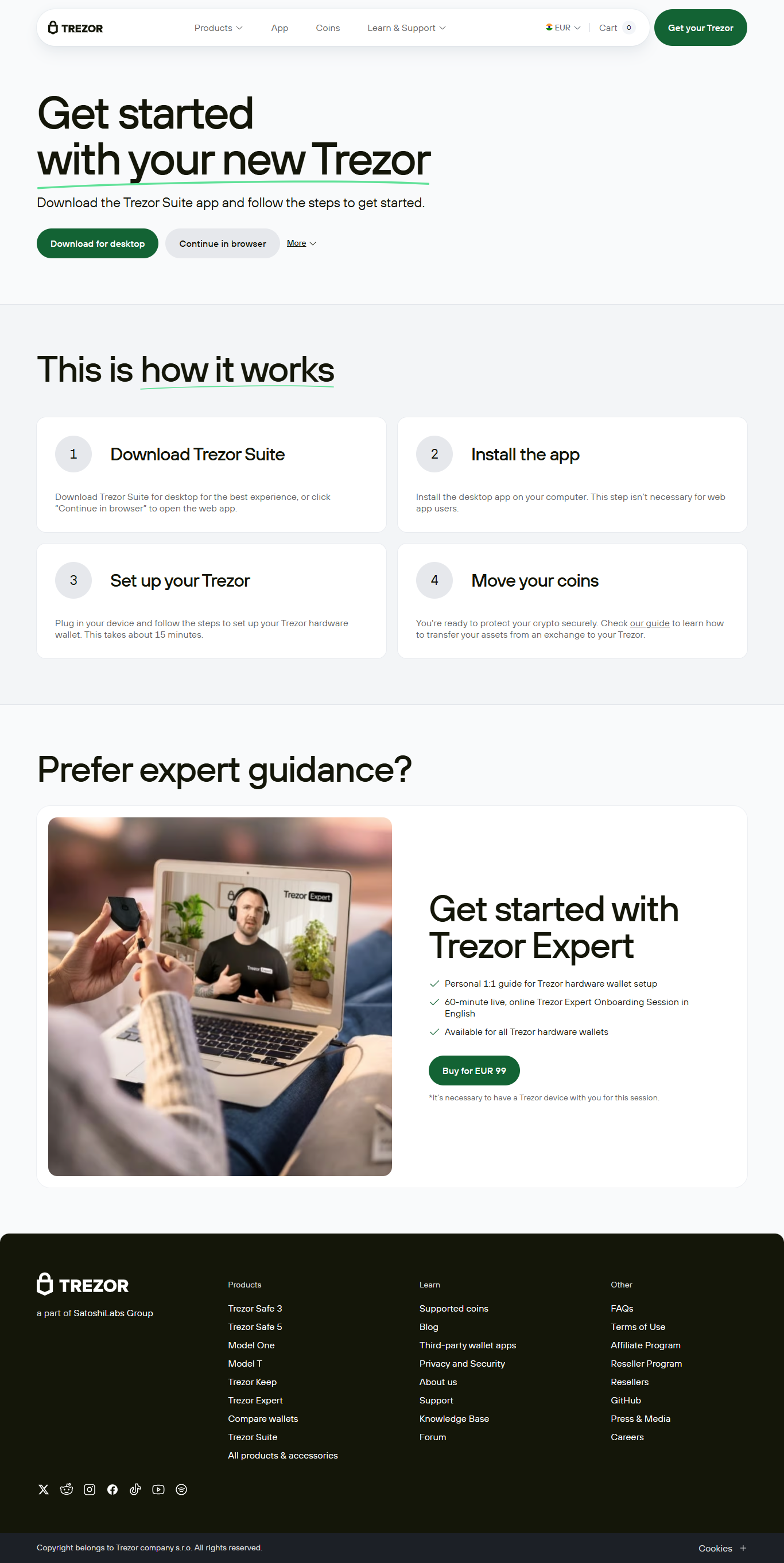
One of the strongest lessons emphasized on pages like Ledger.com/Start is learning to identify authentic websites. Scammers often create imitation pages that look real but are designed to steal information. The layout and structured explanations on Trezor.io/start show how official sites maintain clarity, accuracy, and security-focused messaging.
Students browsing online can use these observations to develop safe habits:
Always double-check the spelling of a website address
Be cautious of pop-ups, downloads, or unusual login screens
Understand that official sites, such as those similar to Ledger.com/Start, provide clear and transparent information
Recognize that secure platforms do not pressure users quickly
The example set by Ledger.com/Start highlights the importance of being patient and careful online. Teens learning from platforms like this gain insight into how trustworthy websites present information and how they differ from unsafe ones.
Even without interacting with financial tools, students can learn a great deal from the digital safety principles demonstrated on Ledger.com/Start. These include:
Recognizing suspicious or unfamiliar websites
Using strong, unique passwords
Staying aware of phishing attempts
Avoiding unnecessary downloads
Keeping personal information private and protected
The explanations found on Ledger.com/Start make digital safety more accessible. Instead of vague warnings, the platform’s approach offers clear examples of how secure practices look in real life. Teens who explore these educational patterns can strengthen their digital awareness.